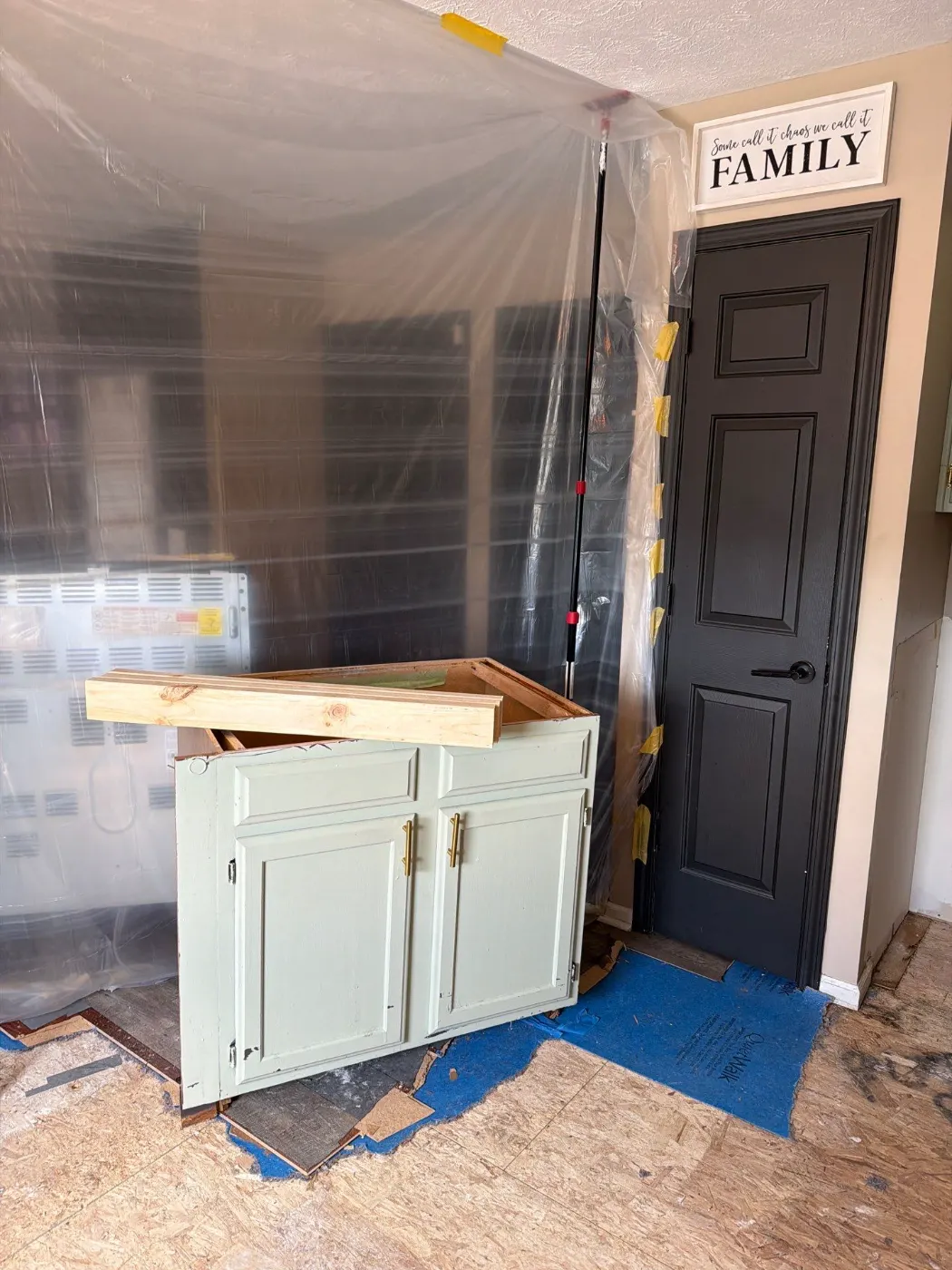
Storm Damage in Somerset, IN
Wind driven rain, ice dams and flash flooding in Somerset, with a crew dispatched within 2 hours, day or night.
Somerset Water Restoration provides professional Storm Damage in Somerset: emergency availability every day of the year, certified crews, and coordination with your insurance carrier on approved claims. Call (765) 436-6771.
- Service: Storm Damage for Somerset homeowners
- Service area: Somerset, IN and surrounding areas
- Response time: 24/7 live dispatch; emergency crews prioritized for Somerset
- Licensed and insured (License #RC21100059)
- Serving Somerset, IN since 2018
Storm Damage Cleanup in Somerset
After a storm in Somerset, we'll cover the opening first and then dry out what got wet.
Storms Here
The Wabash River has a history of flooding. If your insurance company asks for a storm date, NWS Indianapolis keeps a list of past events.
Where Storm Water Ends Up
Homes near Mississinewa Reservoir and the Wabash River can see rising water after heavy rain.
After a storm we can be anywhere in Somerset, including the roads around Shopping Center Road and Indiana State Road 13. We also handle storm damage in Wabash, Peru, Roann and LaFontaine.
Expert Storm Damage for Somerset Homeowners
Wind driven rain can get in without a hole in the roof. It gets behind siding, past a window flange, or through a failed sealant joint, then runs down the inside of the wall and shows up at a baseboard two rooms from where it entered. Somerset Water Restoration traces that path on storm calls in Somerset and Hamilton County with thermal imaging and pin meters, and a crew is dispatched within 2 hours to open and dry the cavity it found.
Older stains turn up on a lot of ceilings, and a good file separates them from the storm. Somerset Water Restoration notes any prior marks and past repairs it finds in your Somerset home and photographs them. Meter readings on those spots show which damage is new and which was already there.
Mapping comes before cutting. Technicians walk every room under and beside the intrusion with a thermal camera to find the temperature differences wet material creates, then confirm with penetrating and pinless meters on drywall, framing, flooring and insulation. Readings get taken in unaffected rooms too, because those become the baseline that defines dry for your particular house. The map's what decides which surfaces get opened and which ones stay closed.
Rain, insulation and drywall leave a lot to keep track of on a storm job, and Somerset Water Restoration keeps it in one file for your Somerset home. That file covers the entry point photos, the daily readings, why each material came out, the equipment log and the final readings. It's yours to keep, and you decide with your insurer what to do with it.
If your insurance company is sending an adjuster, call Somerset Water Restoration before the rooms get cleared out. The crew photographs the damage as it sits and logs the readings, so your Somerset file is complete when the adjuster arrives.
Signs You Need Storm Damage Restoration
If you notice any of these in your Somerset home, schedule a free inspection before the issue worsens.
A wet soffit or ceiling corner on a covered porch after wind pushed rain up under the eave
Paint or texture blistering along the top of an exterior wall after a windy storm
Shingle granules piled in the gutters or washed out at the bottom of a downspout
Flooring cupping, lifting, or separating at the seams along an exterior wall
Water staining on the wall below a window after rain came in sideways
Shingles lifted, curled, or missing where you can see the roof from the ground
Water dripping from a ceiling light fixture or running down the canopy of a ceiling fan
Silt left on the garage floor or mudroom tile after runoff pushed in
A fresh stain appearing where an upstairs wall meets the ceiling during a winter thaw
Moisture beading on outlet covers or switch plates along a wall that water ran down
How Somerset Water Restoration Handles Storm Damage
We follow these steps in order on every Somerset job.
Storm Call Intake
The first call covers where you see water, whether the power is on, how long it's been coming in and what's already been moved. Those answers decide what gear goes out and what to do before the crew gets there.
Power and Safety Check
The crew looks for water near outlets and light fixtures and keeps affected circuits off. Sagging ceilings and slick floors get marked before anyone starts work, and wet electrical gear gets flagged for an electrician.
Sump and Drain Check
The crew looks at the sump basin and the floor drains to see whether water is still entering or backing up. Anything that needs a plumber or an electrician gets noted, so the basement isn't refilling while the drying runs.
Daily Monitoring
A technician returns every 24 hours while equipment runs, logs moisture content at the same marked locations, and repositions equipment wherever a zone's lagging. Rain during the drying phase triggers a recheck of the stabilized opening and of the materials sitting under it.
Photo Report
Entry point photos, the water path, the daily readings and the itemized scope go into a photo report you keep. The crew walks you through it, and you sign off on the scope in writing before there's any demolition.
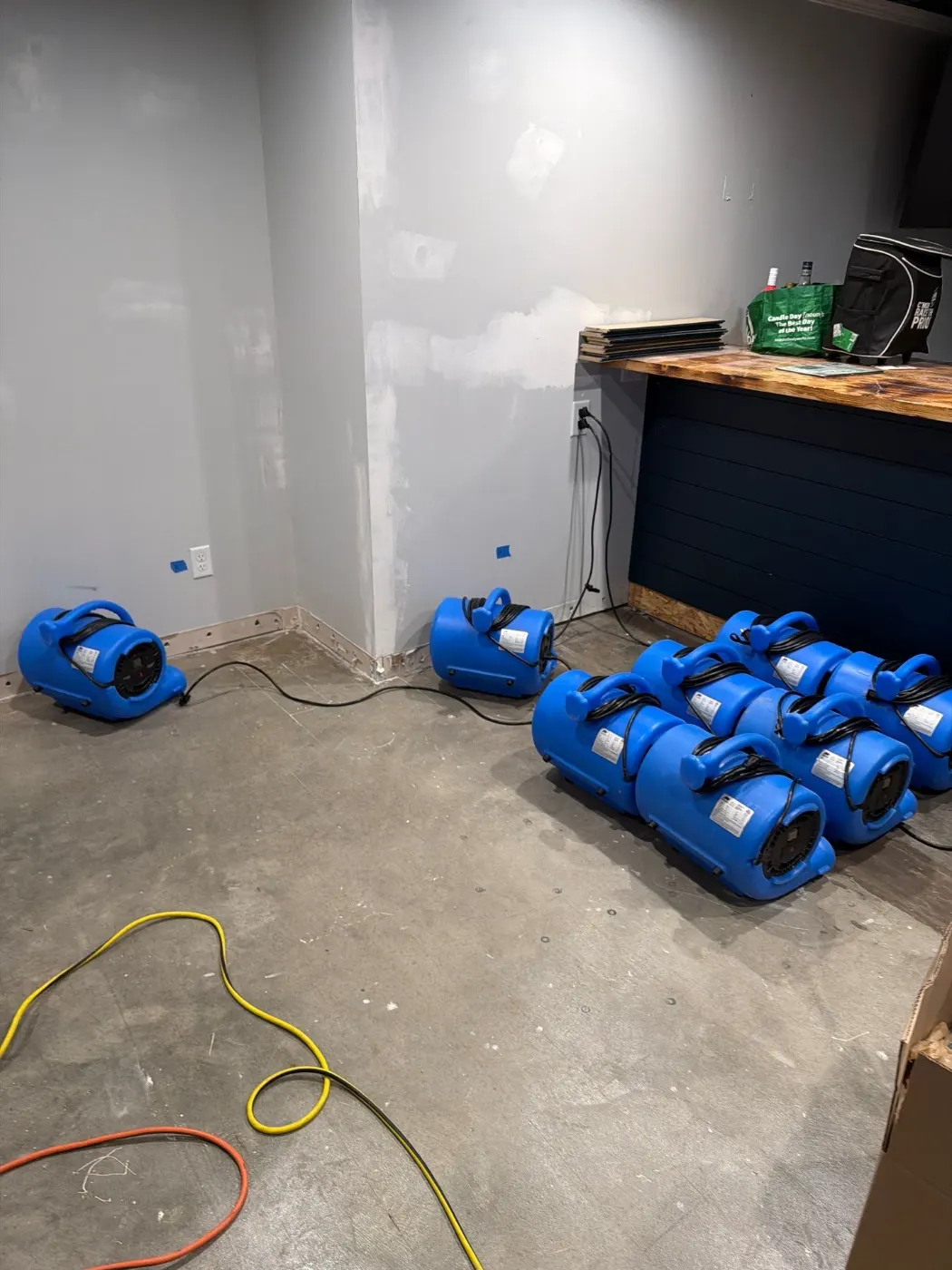
Storm Damage in Somerset
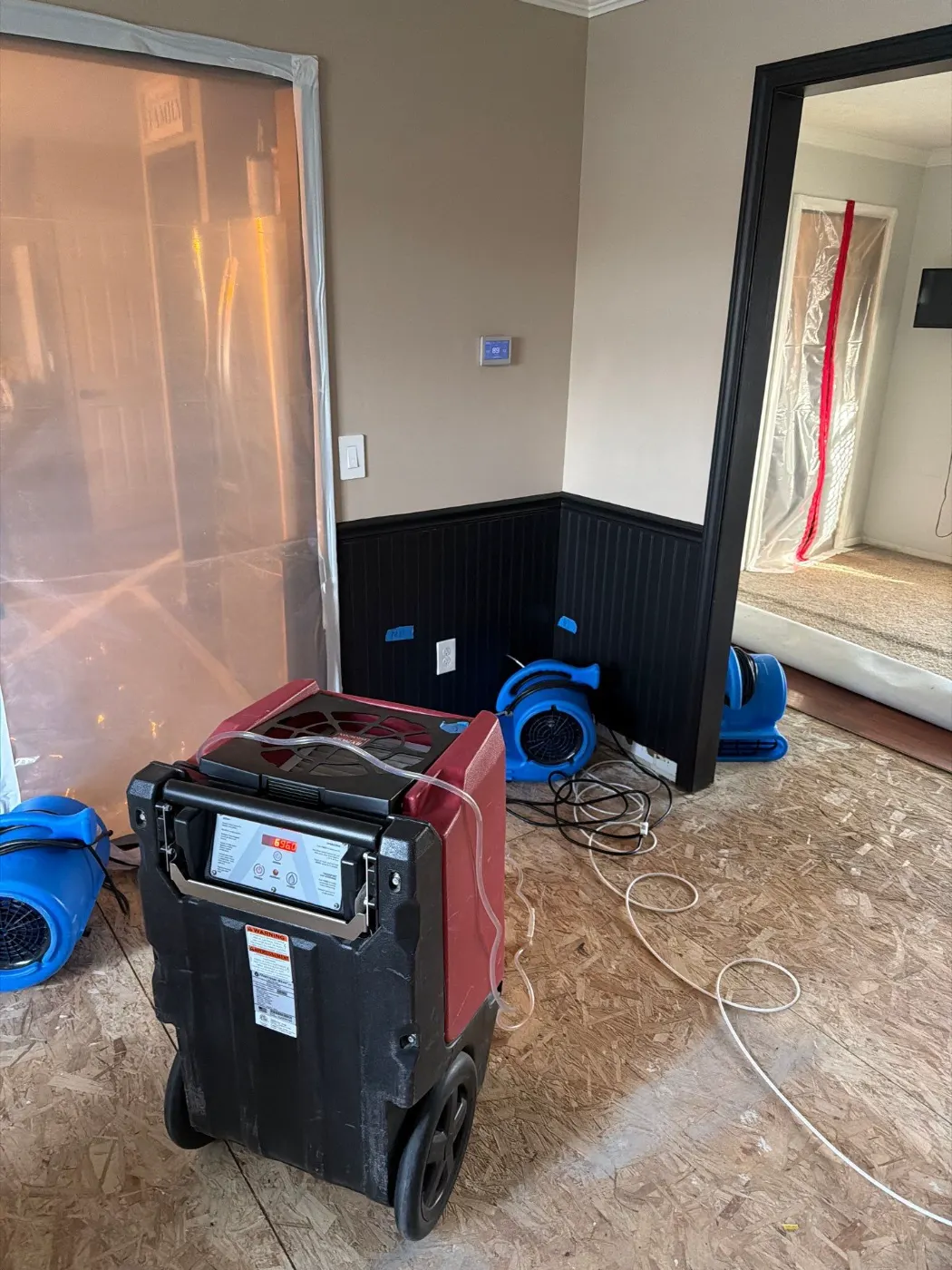
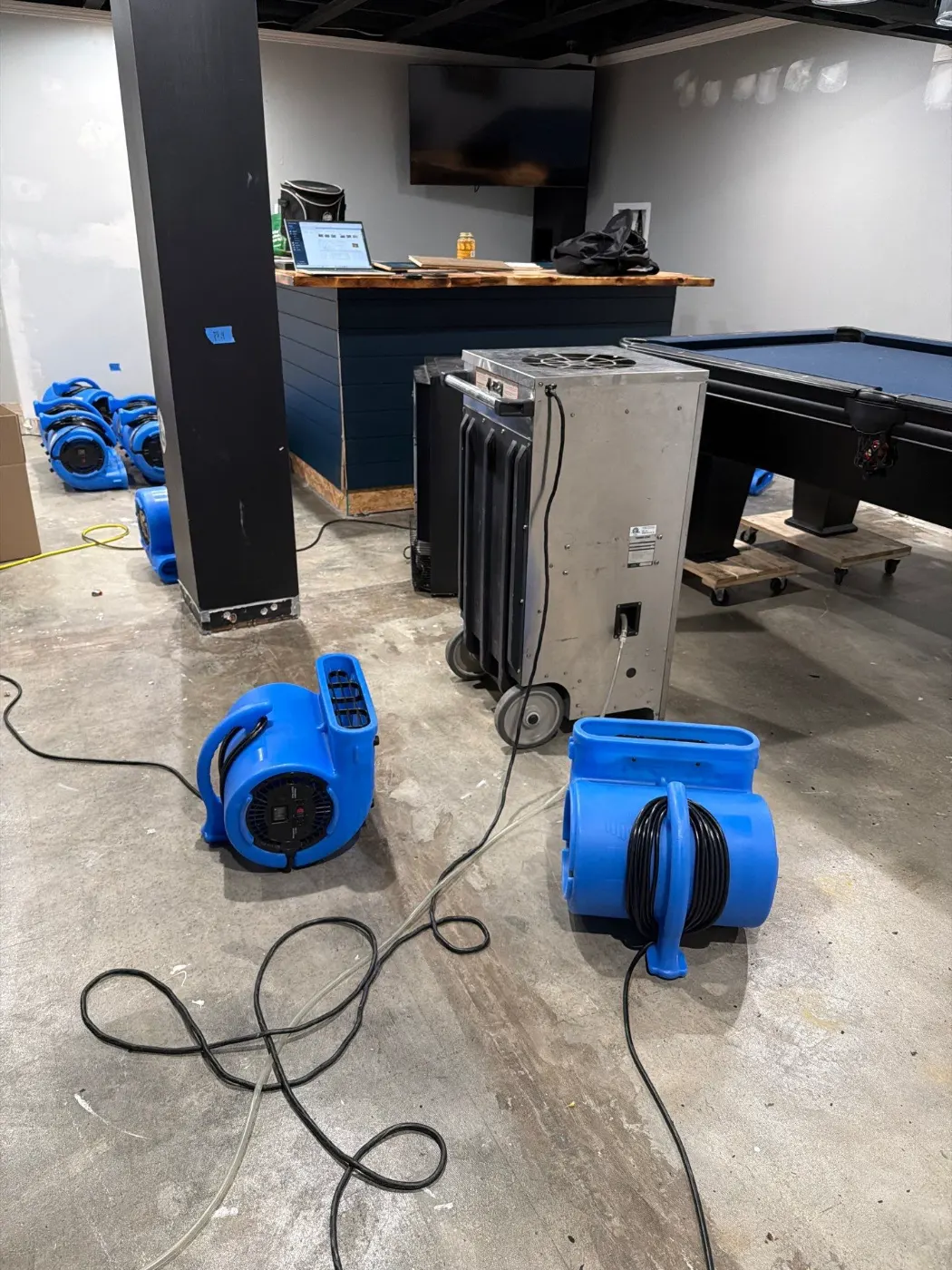
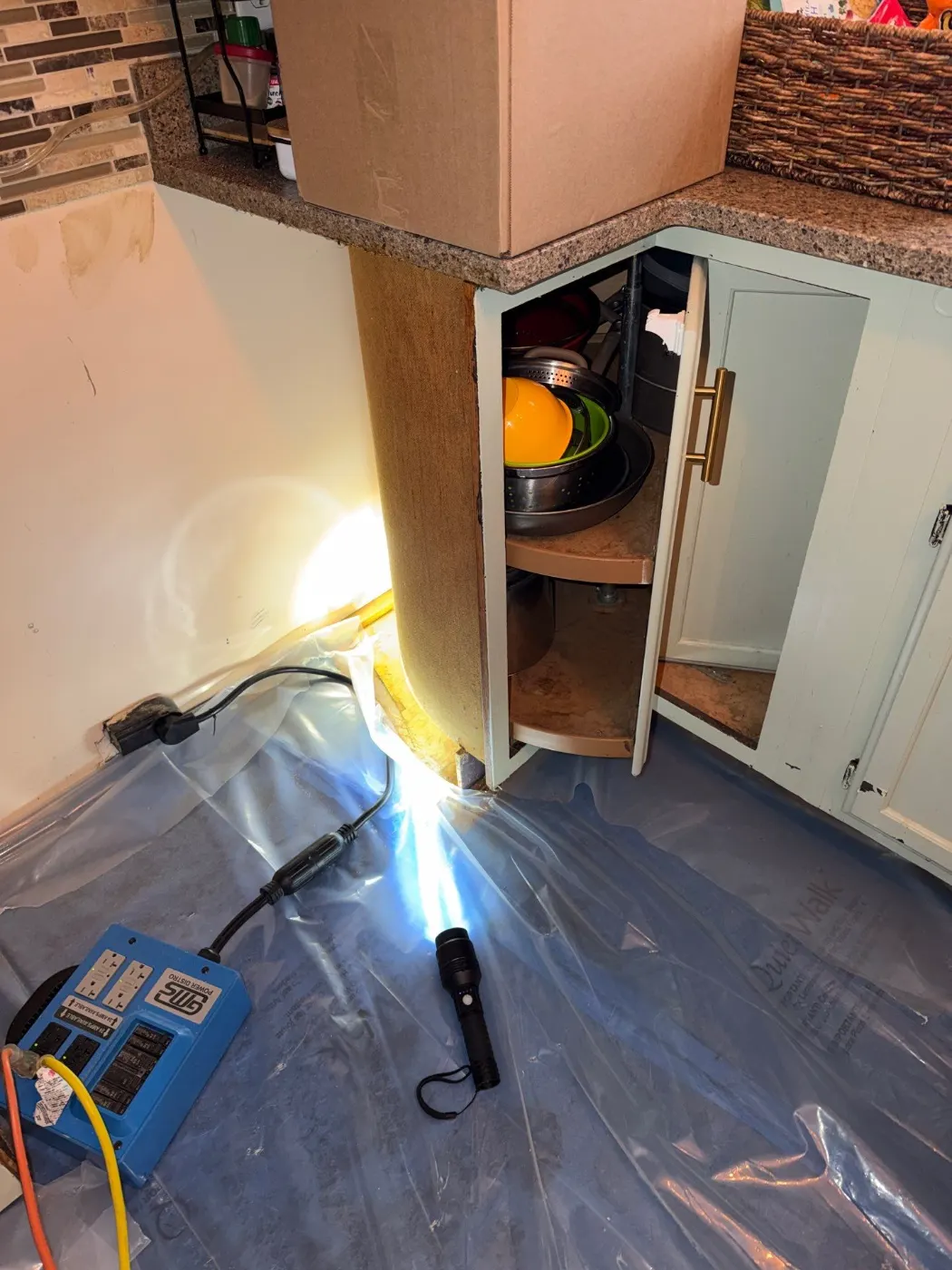
Photographs from real storm damage jobs completed by our crew in Somerset and surrounding areas.
Storm Damage FAQ
Questions Somerset homeowners ask us about storm damage restoration.
Guidance and Standards for Storm Damage
- The National Weather Service office in Indianapolis posts summaries of recent central Indiana storm and flood events. NWS Indianapolis Event Summaries
- The Indiana Department of Insurance advises against permanent repairs before your insurance company inspects the damage. Check your own policy for what it covers. Indiana Department of Insurance: Insurance Claim Tips
Other Restoration Services in Somerset
Somerset Water Restoration handles the full scope of restoration work. Explore our other services below.
Water Damage Restoration in Somerset
24/7 emergency response. IICRC certified water restoration from extraction to full dry out.
Learn more →Basement Flooding in Somerset
Basement water emergencies handled fast. Extraction, drying, mold prevention.
Learn more →Sewage Cleanup in Somerset
Category 3 biohazard cleanup. Full containment, decontamination, structural restoration.
Learn more →Request Storm Damage Restoration
Reach Us Directly
Our team is available 24/7 for emergencies and ready to schedule inspections during business hours.
Need Immediate Help?
For active water or mold emergencies, call us directly. We are available 24/7.